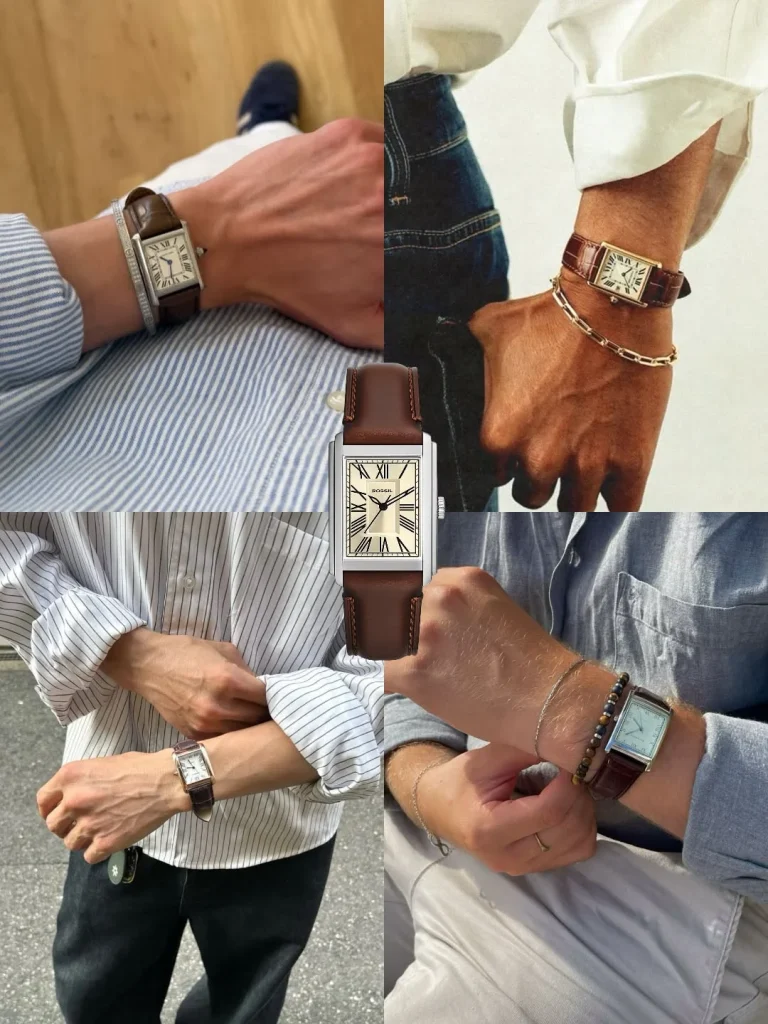
Cartier design has long captivated enthusiasts of luxury jewelry and timepieces with its blend of elegance, innovation, and historical depth. Emerging from a storied legacy in Parisian craftsmanship, Cartier design emphasizes precision, symmetry, and bold motifs that transcend trends. This article explores the core principles, evolution, and enduring appeal of Cartier design, shedding light on why it remains a benchmark in high-end horology and adornment.
What Defines the Core Elements of Cartier Design?
At its heart, Cartier design revolves around geometric precision and luxurious materials. Clean lines, rectangular forms, and circular motifs dominate, often executed in platinum, yellow gold, or white gold. Diamonds and other gemstones are meticulously set using techniques like invisible setting, creating seamless sparkle without visible prongs.
Symmetry plays a pivotal role, ensuring balance in every piece. For instance, bracelets and rings feature interlocking shapes that symbolize unity and strength. Enamel work adds vibrant color contrasts, drawing from Art Deco influences where bold geometry meets opulent finishes.
How Did Cartier Design Originate and Evolve?
Cartier design traces its roots to 1847, when Louis-François Cartier took over a Paris workshop. Early pieces focused on intricate jewelry for European royalty, incorporating floral and animal themes. By the early 20th century, the brand shifted toward modernism, inspired by Egyptian and Asian art.
The 1910s marked a turning point with rectangular watch cases mimicking military tanks, blending functionality with artistry. Post-World War I, Art Deco aesthetics flourished, emphasizing streamlined forms and exotic materials like onyx and lacquer. In the 1970s, Cartier design introduced screw motifs for bracelets, evolving into contemporary expressions that retain classic proportions while embracing minimalism.
What Are Some Iconic Examples of Cartier Design?
One hallmark is the rectangular wristwatch case, introduced in 1917, with Roman numerals and blued steel hands for readability and sophistication. This shape exemplifies Cartier design’s fusion of military inspiration and refined aesthetics.
The panther motif, first sketched in the 1910s, embodies fierce elegance through stylized fur patterns and diamond eyes. Bracelets with modular links, secured by signature screws, highlight engineering ingenuity. Rings stack seamlessly, allowing customizable expressions of personal style while upholding the brand’s geometric ethos.
Why Does Cartier Design Emphasize Symmetry and Geometry?
Symmetry in Cartier design ensures visual harmony, making pieces versatile for everyday wear or formal occasions. Geometric shapes like squares, rectangles, and circles evoke stability and eternity, resonating with wearers seeking understated luxury.
This approach stems from architectural influences, where proportions mirror classical buildings. Craftsmen calibrate every angle, often using guilloché engraving for textured depth. The result is jewelry that feels architectural yet fluid on the body.
How Has Cartier Design Influenced Modern Luxury Trends?
Cartier design’s impact extends to contemporary minimalism, where clean lines inspire countless imitations in fashion and accessories. Its use of mixed metals and gemstone pavé settings has popularized layered, stackable pieces.
In watchmaking, the integration of complications within slim cases pushes technical boundaries, influencing competitors to prioritize elegance over bulk. The enduring panther symbol has become a cultural icon, appearing in art and pop culture, underscoring Cartier design’s role in shaping luxury narratives.
What Materials Are Central to Cartier Design?
Precious metals form the foundation, with 18-karat gold alloys chosen for durability and luster. Platinum offers a cooler tone and hypoallergenic properties, ideal for skin contact.
Gemstones like brilliant-cut diamonds provide scintillation, while sapphires and emeralds add color pops. Hard stones such as malachite or turquoise introduce matte textures, contrasting polished metals. Ethical sourcing and conflict-free certifications align with modern standards, ensuring sustainability in Cartier design practices.
What Are Common Misconceptions About Cartier Design?
A frequent myth is that Cartier design is purely ornate; in reality, its power lies in restraint and negative space. Another misconception views it as static—yet the brand continually reinterprets motifs for new eras, like slimmed profiles for modern wrists.
Some assume exclusivity limits accessibility, but Cartier design principles influence ready-to-wear trends, democratizing its aesthetic without diluting craftsmanship.
What Are the Advantages and Limitations of Cartier Design?
Advantages include timeless versatility, resisting fashion fads, and exceptional resale value due to meticulous construction. The modular nature allows personalization, extending longevity.
Limitations involve higher costs from premium materials and labor-intensive techniques, potentially restricting broader adoption. Delicate finishes require careful maintenance to preserve enamel and plating integrity.
In summary, Cartier design endures through its masterful balance of tradition and innovation, geometric purity, and material excellence. Its ability to evoke emotion while serving practical purposes cements its status as a pillar of luxury craftsmanship.
People Also Ask
What inspired the rectangular shapes in Cartier design?
The rectangular forms drew from World War I tanks, symbolizing resilience and modernity in early 20th-century Cartier design.
How does Cartier design differ from other luxury styles?
Cartier design prioritizes bold geometry and symmetry over ornate filigree, setting it apart with architectural precision.
Is Cartier design suitable for everyday wear?
Yes, its durable construction and versatile scales make Cartier design ideal for daily use without sacrificing elegance.