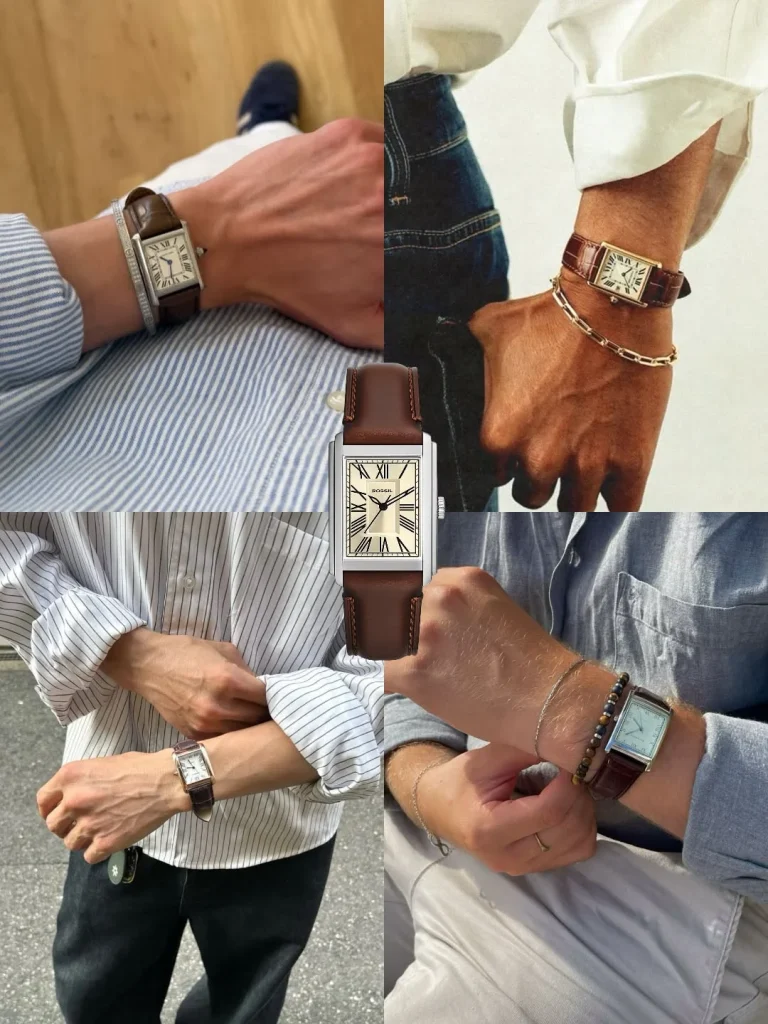
Antique Cartier watches represent a pinnacle of horological artistry, blending exquisite design with historical significance. These timepieces, often from the early 20th century, attract collectors due to their craftsmanship, innovation, and cultural impact. Understanding what defines an antique Cartier watch helps enthusiasts appreciate its enduring appeal and investment potential.
What Defines an Antique Cartier Watch?
An antique Cartier watch typically refers to models produced before the mid-20th century, often from the 1900s to the 1940s. Cartier, renowned for luxury jewelry and timepieces, introduced iconic designs during this era. Key characteristics include manual-wind movements, precious metal cases like gold or platinum, and enamel dials. The term “antique” emphasizes age and originality, distinguishing these from modern reproductions.
What Are the Most Famous Models of Antique Cartier Watches?
Among the most celebrated are the Tank and Santos models. The Tank, inspired by World War I tanks and launched in 1917, features a rectangular case with Roman numerals. The Santos, created in 1904 for aviator Alberto Santos-Dumont, introduced the square pilot’s watch with exposed screws. Other notables include the Mystery Clock watches and Art Deco styles from the 1920s-1930s, showcasing geometric patterns and vibrant guilloché engraving.
How Do You Authenticate an Antique Cartier Watch?
Authenticating an antique Cartier watch requires scrutiny of several elements. Examine the case back for serial numbers, hallmarks like the Cartier signature, and French assay marks indicating gold purity. Movements should bear consistent engravings, and hands must align precisely. Provenance, such as original papers or boxes, adds credibility. Professional appraisal by a certified watchmaker is essential, as forgeries can mimic details closely.
What Factors Determine the Value of an Antique Cartier Watch?
Value hinges on condition, rarity, and historical context. Pristine examples with original components command premiums; restored pieces may lose value. Limited editions or those owned by notable figures fetch higher prices. Market trends show antique Cartier watches appreciating steadily, with rare Tanks exceeding six figures at auctions. Material quality, like 18k gold or enamel intactness, also plays a crucial role.
What Are Common Challenges with Owning an Antique Cartier Watch?
Maintenance poses challenges due to delicate mechanisms. These watches require periodic servicing by specialists familiar with vintage calibers. Sensitivity to humidity and magnetism demands proper storage. Wear and tear, such as faded dials or stretched bracelets, is common. Owners must balance preservation with occasional use to avoid over-restoration, which can diminish authenticity.
How Has the Antique Cartier Watch Evolved Over Time?
From the brand’s early pocket watches to wristwatches in the 1910s, evolution reflects technological and stylistic shifts. Post-WWII models transitioned toward modernity, but antiques retain bespoke charm. Today, they influence contemporary designs while standing as artifacts of Art Nouveau and Deco eras.
In summary, an antique Cartier watch embodies timeless elegance and mechanical ingenuity. Collectors value them for rarity and heritage, making informed knowledge key to appreciation and acquisition.
People Also Ask
How much does an antique Cartier watch cost?
Prices range from $10,000 for common models in good condition to over $500,000 for rare, pristine pieces, depending on model, era, and provenance.
Can you wear an antique Cartier watch daily?
While possible for robust examples, daily wear risks damage to fragile components; most owners reserve them for special occasions with regular servicing.
What is the difference between vintage and antique Cartier watches?
Antique typically means pre-1940s with historical significance, while vintage covers up to the 1980s, often including post-war designs with modern features.