Cartier watches have long been synonymous with elegance and precision, captivating collectors and enthusiasts worldwide. Originating from a storied jewelry house, these timepieces blend artistry with technical innovation. This article explores the key elements that distinguish Cartier watches, from their historical roots to modern craftsmanship, helping readers understand their enduring appeal in the competitive luxury watch segment.
What Is the History of Cartier Watches?
Cartier watches trace their origins to the early 20th century, when the brand expanded beyond jewelry into horology. Founded in Paris in 1847, the house gained royal patronage, crafting pieces for figures like King Edward VII. The first notable watch, the Santos, debuted in 1904, designed for aviator Alberto Santos-Dumont to address readability issues with pocket watches.
This innovation marked Cartier’s entry into wristwatches, a novelty at the time. Subsequent decades saw the introduction of iconic designs like the Tank in 1917, inspired by World War I tanks. These early Cartier watches set standards for style and functionality, influencing the luxury watch industry profoundly.
What Are the Most Iconic Models of Cartier Watches?
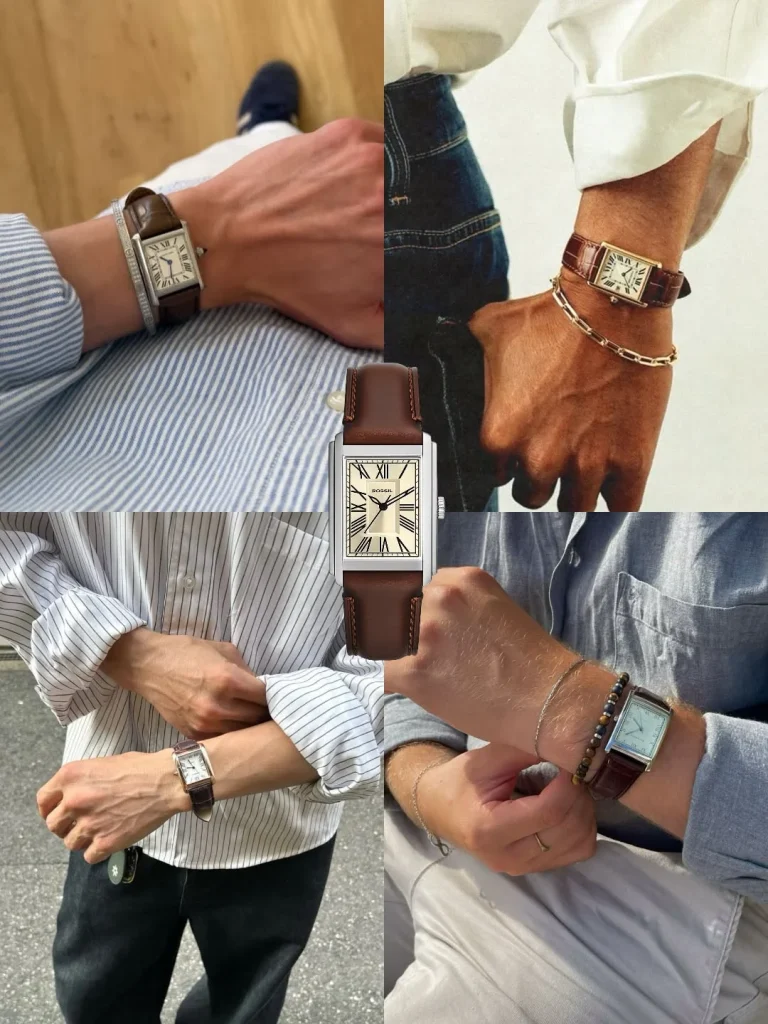
Among the standout Cartier watches, the Tank stands eternal with its rectangular case and Roman numerals, evoking Art Deco sophistication. Available in variants like the Tank Solo and Tank Américaine, it appeals to those seeking understated luxury.
The Santos, with its square case and exposed screws, remains a pioneer of pilot watches, updated in modern iterations like the Santos de Cartier with quick-change straps. The Ballon Bleu, featuring a rounded case and blue cabochon crown, offers a softer, contemporary aesthetic popular for both men and women.
Other notables include the Pasha with its distinctive grille bezel and the Panthère collection, incorporating the brand’s leopard motif. Each model exemplifies how Cartier watches balance heritage with fresh interpretations.
How Are Cartier Watches Crafted?
Craftsmanship defines Cartier watches, involving meticulous hand-finishing and assembly. Artisans in specialized workshops engrave, polish, and bevel components, often taking weeks per piece. Movements range from reliable quartz to in-house mechanical calibers, with some models certified as chronometers for precision.
The process begins with case design, followed by dial guilloché work and gem-setting where applicable. Quality control ensures water resistance up to 100 meters in many models and tamper-proof construction. This labor-intensive approach contributes to the superior finish of Cartier watches.
What Materials Are Used in Cartier Watches?
Cartier watches predominantly feature precious metals like 18-karat gold, platinum, and steel for durability and luster. Cases often combine yellow, white, or rose gold with stainless steel bracelets. Dials use mother-of-pearl, enamel, or lacquer, enhanced by diamond hour markers in higher-end versions.
Sapphire crystals provide scratch resistance, while leather straps from calfskin or alligator add versatility. Innovations like ceramic in sportier models demonstrate adaptability without compromising elegance. These high-grade materials ensure longevity and aesthetic appeal.
Why Do Cartier Watches Hold Investment Value?
Cartier watches often appreciate due to limited production, historical significance, and demand from collectors. Vintage models like early Tanks or Santos can fetch premiums at auctions, sometimes doubling retail value over years. Factors include rarity, condition, and provenance.
However, not all Cartier watches perform equally; popular contemporary lines like the Ballon Bleu show steady resale values. Their recognition as cultural icons supports long-term retention, though market fluctuations apply as with any luxury asset.
How Can You Authenticate Cartier Watches?
Authenticating Cartier watches involves checking serial numbers engraved between lugs, matching certificates, and warranty cards. Genuine pieces feature precise engravings, smooth movements, and branded crowns that screw down securely. Hologram stickers on boxes and papers add verification layers.
Professional appraisers examine weight, hallmarks, and mechanics. Online tools or authorized services confirm details against records. Awareness of these markers helps distinguish real Cartier watches from replicas.
What Are Common Misconceptions About Cartier Watches?
A frequent myth is that Cartier watches prioritize style over substance, yet many house complex movements rivaling competitors. Another is their exclusivity to women; robust men’s lines like the Drive de Cartier prove otherwise. Understanding these dispels outdated views.
How Should You Care for Cartier Watches?
Maintain Cartier watches by servicing every 3–5 years, avoiding magnets and extreme temperatures. Clean with a soft cloth and store in original boxes. Regular winding for mechanical models ensures accuracy. Proper care preserves value and performance.
In summary, Cartier watches excel through timeless design, superior craftsmanship, and historical prestige. Their ability to transcend trends cements their status in luxury horology, appealing to discerning wearers seeking both form and function.
People Also Ask
Are Cartier watches automatic?
Many Cartier watches feature automatic mechanical movements that self-wind via wrist motion, while others use quartz for quartz precision or manual wind options.
Which Cartier watch is best for men?
Popular men’s choices include the Santos, Pasha, and Drive de Cartier, offering versatile sizes and sporty or dressy styles.
Do Cartier watches increase in value?
Certain limited-edition or vintage Cartier watches can appreciate, but value depends on model, condition, and market trends.