—
**Topic Map (Table of Contents)**
1. **Introduction:** The Watch as an Asset Class
2. **Debunking the Myth:** Why Most Rolexes Are Not Investments
3. **The Silver Bullet:** The Criteria for a True Investment Rolex
– 3.1. Rarity and Production Volume
– 3.2. Material Scarcity (Steel vs. Two-Tone vs. Gold)
– 3.3. The "Pepsi" Effect: Color and Dial Variations
– 3.4. Condition: The Unpolished Imperative
– 3.5. Full Set vs. Naked Watch
4. **The Key Players: Models with Proven Investment Track Records**
– 4.1. The Daytona (Paul Newman & Modern Ceramic)
– 4.2. The Submariner (No-Date & "Hulk"/"Kermit")
– 4.3. The GMT-Master II (Batman, Pepsi, & Root Beer)
– 4.4. The Day-Date "President" (Vintage)
– 4.5. The "Unexpected" Models (Air-King, Explorer I)
5. **Buying Strategy: Procuring Assets at Retail vs. Grey Market**
– 5.1. The Authorized Dealer (AD) Dance
– 5.2. The Grey Market Premium
– 5.3. Auction Houses (Christie’s, Phillips, Sotheby’s)
6. **The Counter-Argument: Rolexes as a Bad Investment**
– 6.1. Illiquidity
– 6.2. High Transaction Costs (Taxes, Shipping, Insurance)
– 6.3. The Flipper’s Tax (Capital Gains & Reporting)
– 6.4. Market Volatility (The Post-2022 Correction)
7. **Selling Your Investment: Exit Strategies**
– 7.1. Private Sale (Reddit, Forums, Facebook)
– 7.2. Consignment with a Reputable Dealer
– 7.3. Auction (Pros & Cons)
– 7.4. Instant Cash Offers (WatchBox, Bob’s Watches)
8. **Conclusion:** The Verdict – Should You Buy a Rolex for Investment?
9. **Frequently Asked Questions (FAQ)**
—
**Introduction: The Watch as an Asset Class**
In a world of volatile stocks, inflated real estate, and uncertain crypto, tangible assets have seen a renaissance. Among them, luxury watches—specifically Rolex—have emerged as a popular "alternative investment." However, the headline "Rolex is a better investment than gold" is dangerously misleading. This comprehensive guide cuts through the hype to provide a nuanced answer: **Yes, some Rolexes can appreciate in value, but only those meeting very specific criteria.** This page will teach you to identify, acquire, and exit those assets effectively, while also warning you why most Rolexes are terrible investments.
—
**2. Debunking the Myth: Why Most Rolexes Are Not Investments**
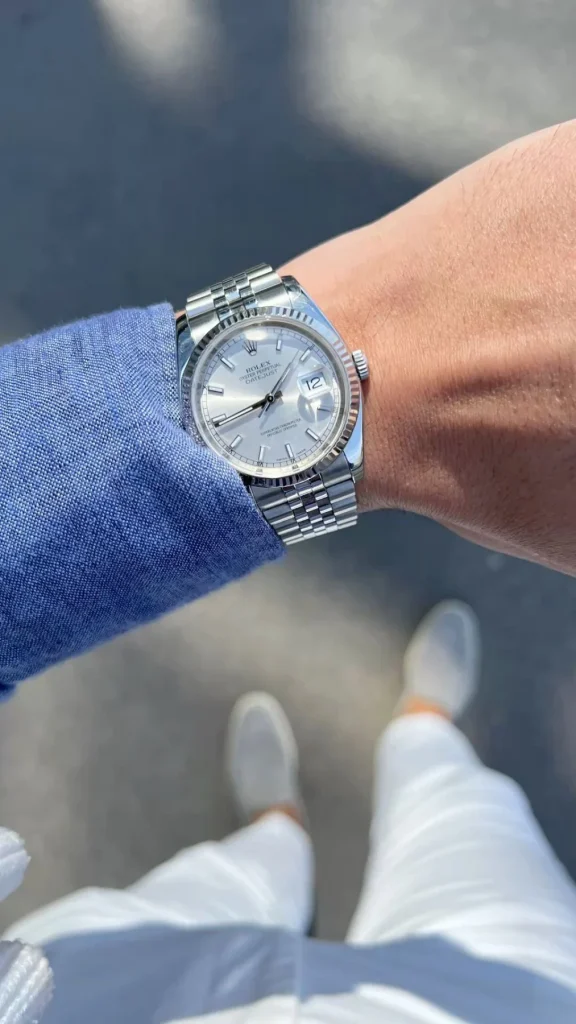
The vast majority of Rolex watches sold today (over 90%) are **consumer goods with resale value.** A standard Datejust, a two-tone Submariner, or a Lady-Datejust will typically depreciate the moment you leave the store, similar to a new car. The myth persists because the *secondary market* prices for certain stainless steel sports models have skyrocketed. Do not confuse a limited-run collectible with a production-line watch. Buying a common model hoping to flip it is a gamble, not an investment.
**Internal Link Opportunity:** *Learn how to spot the difference read our guide: [The Datejust vs. The Daytona: Which Retains Value?].*
—
**3. The Silver Bullet: The Criteria for a True Investment Rolex**
To qualify as an investment, a Rolex must possess at least three of the following five characteristics:
**3.1. Rarity and Production Volume**
The single most important factor. Rolex deliberately underproduces its stainless steel sports models (Daytona, GMT-Master II, Submariner) to create artificial scarcity. Discontinued references (e.g., the ceramic "Hulk" Submariner 116610LV) become instantly more valuable.
**3.2. Material Scarcity (Steel vs. Two-Tone vs. Gold)**
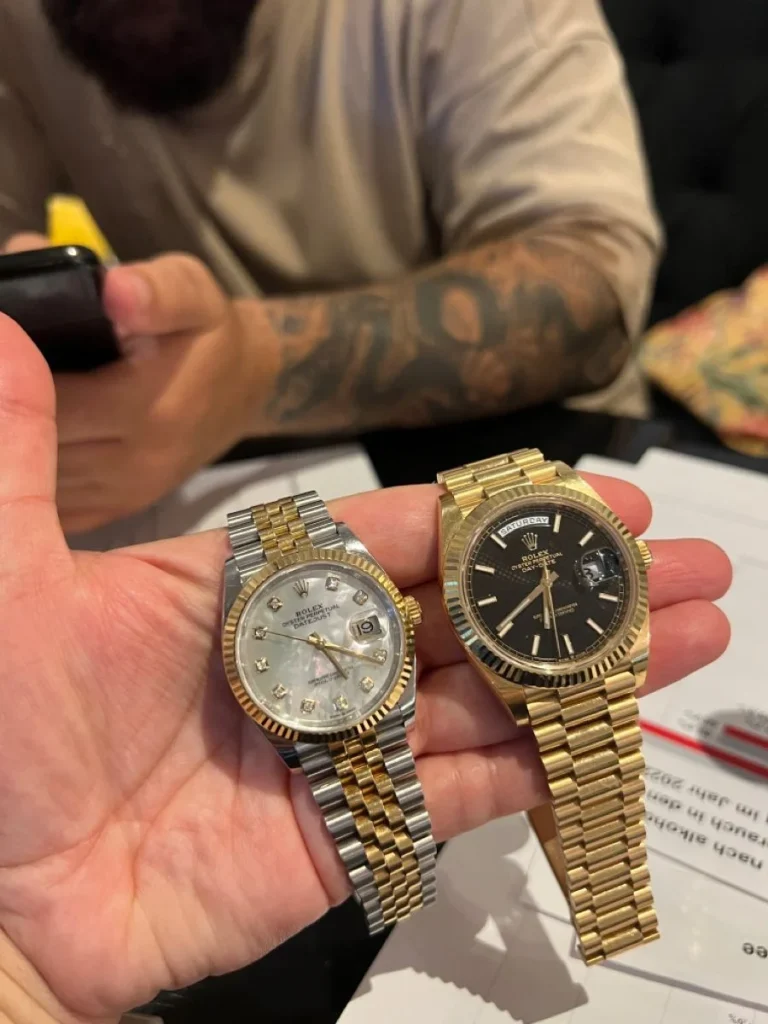
Counter-intuitively, **stainless steel** is the most valuable material for investment. The "Precious Metal Paradox" states that gold Rolexes are expensive to buy but often lose value due to high retail markup and lower demand. Full steel "steelies" have the highest demand-to-supply ratio.
**3.3. The "Pepsi" Effect: Color and Dial Variations**
Specific color combinations become legendary. The "Pepsi" (blue/red) bezel on the GMT-Master II commands a massive premium over a black bezel. Similarly, "tropical" dials (faded to brown) or "Paul Newman" exotic dials can multiply a watch's value by tenfold.
**3.4. Condition: The Unpolished Imperative**
A watch that has been over-polished loses its sharp, original case geometry and edges, destroying 30-50% of its collector value. "Unpolished with original patina" is the golden standard. A "mint condition" watch from 1990 is worth far more than a "good condition" watch that has been aggressively refinished.
**3.5. Full Set vs. Naked Watch**
The "full set" (outer box, inner box, warranty card, hang tags, manual, and all links) can add 20-30% to the resale price over a "naked" (watch only) version. The warranty card, especially with a specific year, proves provenance.
**Internal Link Opportunity:** *Learn more about condition grading: [The Complete Guide to Watch Condition: NOS, Mint, Excellent, Good].*
—
**4. The Key Players: Models with Proven Investment Track Records**
**4.1. The Daytona (Paul Newman & Modern Ceramic)**
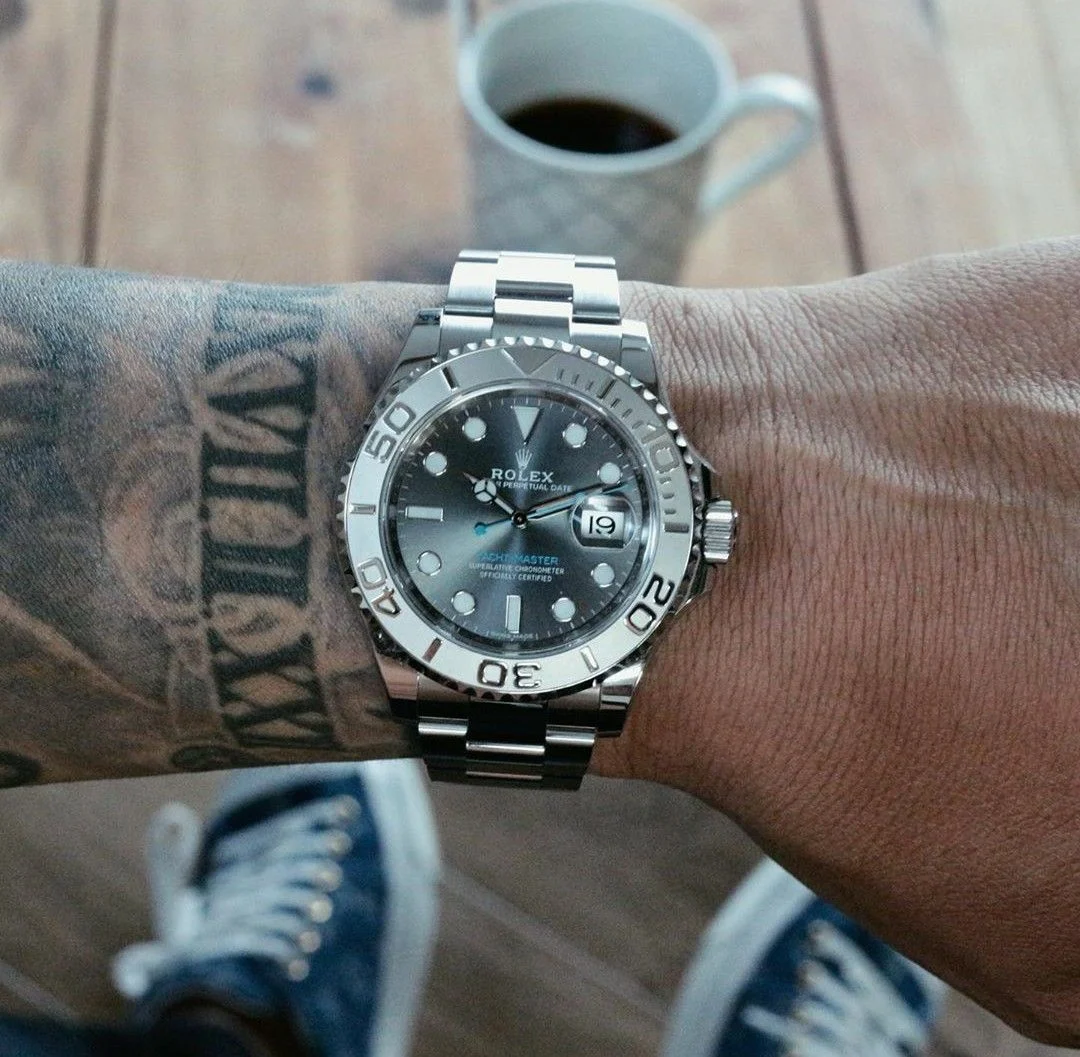
The holy grail. Vintage Paul Newman Daytonas (Ref. 6239) have sold for over $17 million. The modern ceramic Daytona (Ref. 116500LN) in steel is the modern investment king. Buy it at retail; it will immediately be worth 100% more in the grey market.
**4.2. The Submariner (No-Date & "Hulk"/"Kermit")**
The Submariner "No-Date" (Ref. 124060) is a pure, iconic watch that holds value like a brick. The green bezel "Kermit" (Ref. 16610LV) and "Hulk" (Ref. 116610LV) are discontinued and have seen explosive appreciation.
**4.3. The GMT-Master II (Batman, Pepsi, & Root Beer)**
The "Batman" (blue/black bezel) and "Pepsi" (red/blue) in steel are the most hyped. The "Root Beer" (two-tone rose gold/brown) has seen a surprising resurgence.
**4.4. The Day-Date "President" (Vintage)**
Not the modern, full gold model. Look for **vintage Day-Dates** (Ref. 1803 or 18038) with rare dials (e.g., Sigma dials, Stella lacquer dials) or exotic stone dials (lapis lazuli, tiger’s eye). These are true alternative assets.
**4.5. The "Unexpected" Models (Air-King, Explorer I)**
The new Air-King (Ref. 126900) was unpopular for years but is now starting to command a premium. The Explorer I (Ref. 124270) is a classic of subtlety that retains value very well.
**Internal Link Opportunity:** *Compare the investment potential of these models: [Daytona vs. Submariner: Which Has Better Long-Term ROI?].*
—
**5. Buying Strategy: Procuring Assets at Retail vs. Grey Market**
**5.1. The Authorized Dealer (AD) Dance**
This is your highest-probability path to profit. Getting a steel Daytona at MSRP ($14,500) and selling it immediately for $29,000 is a 100% return. However, ADs prioritize loyal customers. Build a relationship, be patient, and don't threaten to flip.
**5.2. The Grey Market Premium**
If you buy a steel "Pepsi" from a grey dealer today, you pay a 60-80% markup. This is **buying high.** It only works as an investment if the price keeps rising. The post-2022 market correction punished those who bought at peak grey prices.
**5.3. Auction Houses (Christie’s, Phillips, Sotheby’s)**
For vintage or rare pieces. Auction prices can be lower than retail for common models but significantly higher for exceptional lots. The "auction premium" (buyer’s fee up to 25%) eats into your investment.
**Internal Link Opportunity:** *Dec
**Title:** Are Rolexes Good Investments? The Definitive Guide to Valuing, Buying, and Selling Watch Assets
— **Topic Map (Table of Contents)** 1. **Introduction:** The Watch as an Asset Class 2. **Debunking the Myth:** Why Most Rolexes Are Not Investments 3. **The Silver Bullet:** The Criteria for a True Investment Rolex – 3.1. Rarity and Production Volume – 3.2. Material Scarcity (Steel vs. Two-Tone vs. Gold) – 3.3. The "Pepsi" Effect: […]
admin ·