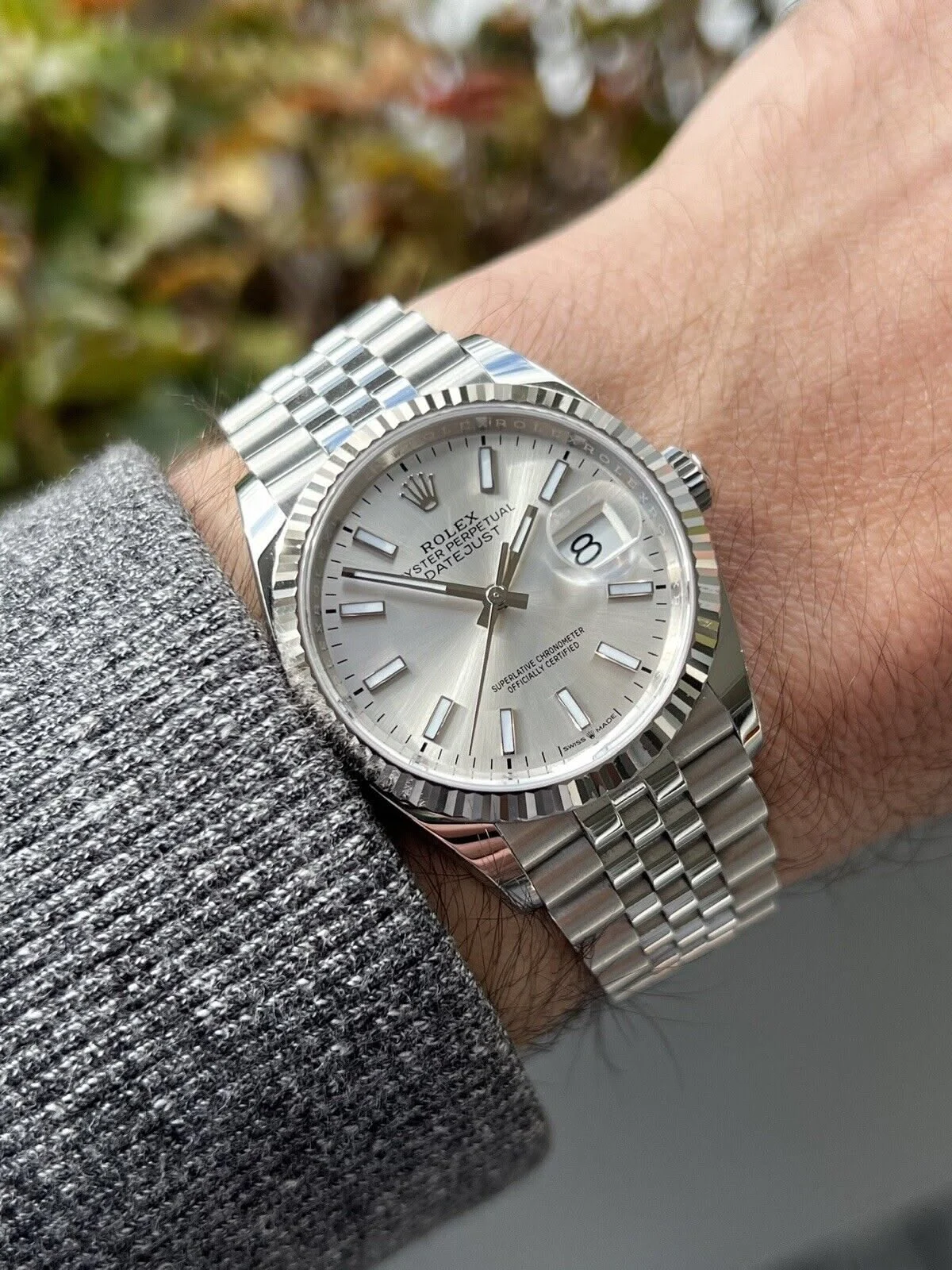
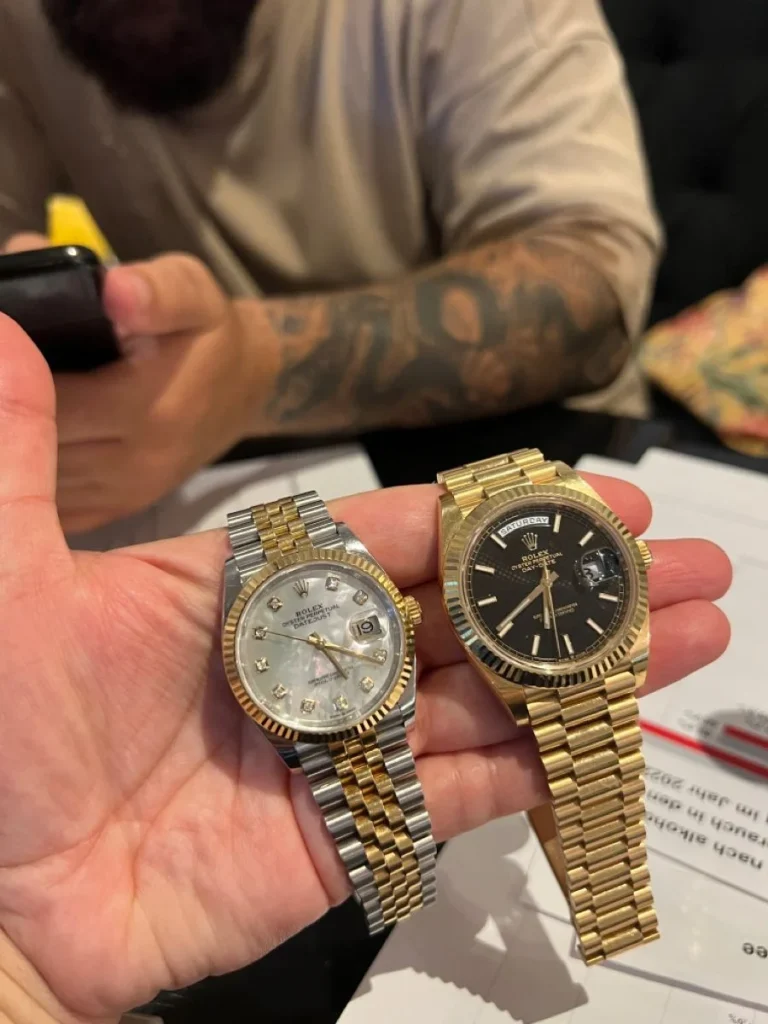
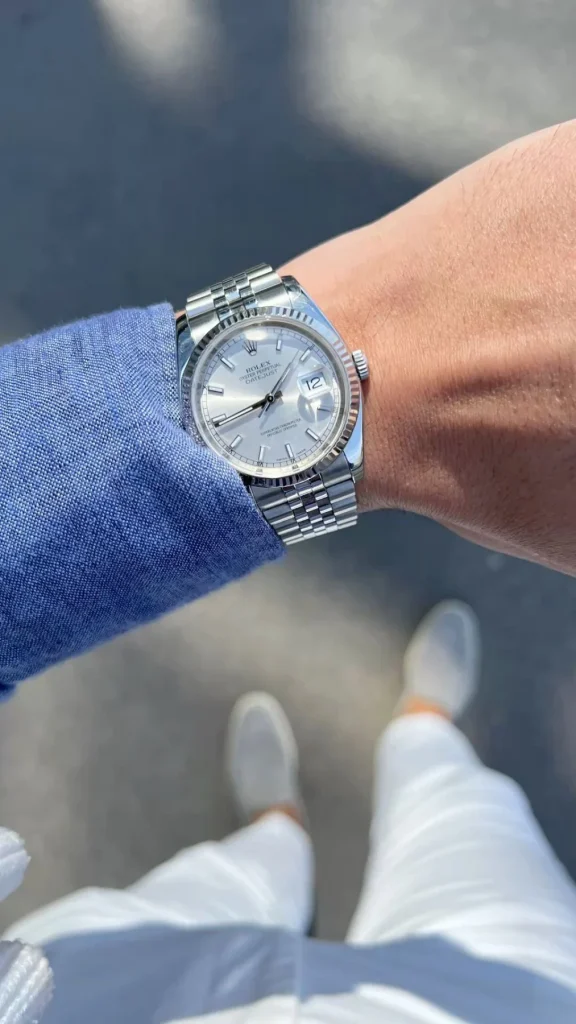
The question “Are Rolex watches a good investment?” has sparked debate among collectors, financial advisors, and luxury enthusiasts for decades. Unlike stocks or real estate, a Rolex is a tangible asset that combines utility, craftsmanship, and emotional appeal. However, treating it purely as an investment requires a clear understanding of market dynamics, depreciation risks, and long-term trends. This pillar page serves as your comprehensive resource, covering everything from historical performance and market volatility to authentication and resale strategies. Use the topic map below to navigate each subtopic, and explore internal links for deeper dives into related concepts.
—
## Topic Map
1. **The Short Answer: Are Rolex Watches an Investment?**
2. **Historical Performance: Rolex as an Asset Class**
3. **Market Dynamics: Supply, Demand, and Speculation**
4. **Factors That Determine Investment Value**
5. **The Risks: Depreciation, Counterfeits, and Market Crashes**
6. **Best Rolex Models for Investment (2025 Edition)**
7. **How to Buy a Rolex for Investment**
8. **Selling Your Rolex: Strategies and Platforms**
9. **Rolex vs. Other Luxury Watches: Investment Comparison**
10. **Tax and Legal Considerations**
11. **Final Verdict: Should You Buy a Rolex for Investment?**
—
## 1. The Short Answer: Are Rolex Watches an Investment?
**No, not in the traditional sense.** A Rolex should generally not be considered a risk-free, guaranteed-return asset. However, certain models have historically outperformed inflation and even beaten the S&P 500 in specific periods. The key distinction is between **collectibility** and **investment**. Most Rolexes lose value the moment you buy them new from an authorized dealer (AD). Exceptions exist for limited-edition, discontinued, or rare steel sports models (e.g., Daytona, Submariner, GMT-Master II). If you buy at retail from an AD for a highly sought-after reference, you may see immediate paper gains. But if you buy from a grey-market dealer at a premium, your upside narrows significantly.
—
## 2. Historical Performance: Rolex as an Asset Class
From 2010 to 2022, the Rolex secondary market experienced a bull run. The **Rolex Daytona (ref. 116500LN)** retailing at ~$14,000 was trading above $30,000 on the grey market. The **Submariner (ref. 114060)** saw price increases of 50–80% in under five years. However, 2023–2024 saw a market correction of 20–30% across many models as interest rates rose and speculative buying cooled.
– **Key Data Point:** According to the Knight Frank Luxury Investment Index, collectible watches (led by Rolex) returned an average of 7% annually from 2010 to 2020, but with high volatility.
– **Internal Link:** Compare these trends with our [Rolex Price History Dashboard] (internal page).
**Caveat:** Past performance does not guarantee future results. The Rolex market is illiquid and sentiment-driven.
—
## 3. Market Dynamics: Supply, Demand, and Speculation
Rolex controls supply meticulously, producing approximately 1 million watches per year—but demand is estimated at 3–5 times that. This artificial scarcity fuels premium pricing. Additionally:
– **Speculators:** Flippers create price bubbles. When the hype fades (as seen in late 2022), prices crash.
– **Authorized Dealers:** ADs prioritize VIP customers, meaning the average buyer may have to wait years for a steel Daytona or GMT “Pepsi.”
– **Grey Market:** Premiums on popular models can range 20–100% above retail. Buying at these levels erodes potential gains.
**Internal Link:** Read our guide [How to Avoid Overpaying for a Rolex] (internal page).
—
## 4. Factors That Determine Investment Value
Not every Rolex appreciates. The following criteria separate “winners” from “everyday wearers”:
– **Rarity:** Limited editions (e.g., “John Mayer” Daytona) or discontinued references (e.g., ceramic Submariner ref. 116610).
– **Condition:** Unworn “full set” (box, papers, tags) commands a 20–40% premium over worn models without papers.
– **Material:** Stainless steel models are more collectible than two-tone or solid gold, which often depreciate.
– **Dial Configuration:** Unique dials (Paul Newman, “Spider,” “Tropical”) multiply value.
– **Provenance:** Ownership by a celebrity or historical figure adds exponential value.
**Internal Link:** Discover the [Complete Rolex Investment Checklist] (internal page).
—
## 5. The Risks: Depreciation, Counterfeits, and Market Crashes
Investing in Rolex carries significant risks that are often overlooked:
– **Depreciation:** Most two-tone and full-gold Rolex models lose 30–50% of their retail value if bought new. Example: A Datejust in yellow gold often trades at a discount.
– **Counterfeits:** Modern super-clones are nearly indistinguishable. Buying without professional authentication can lead to total loss.
– **Market Liquidity:** Unlike stocks, you cannot sell a Rolex instantly. Auction houses take 10–20% commission; private sales can take months.
– **Market Cycle Risk:** The 2023 correction saw Daytoa prices drop 30%. A recession could trigger a 50%+ crash.
**Internal Link:** Learn how to spot [Fake Rolex Watches: 10 Authentication Tips] (internal page).
—
## 6. Best Rolex Models for Investment (2025 Edition)
Based on current data and historical trends:
| Model | Reference | Resale Value Retention (New) | Key Appeal |
|——-|———–|——————————|————|
| Cosmograph Daytona (Steel) | 116500LN | 120–150% of retail | Hype, limited production, chronograph |
| Submariner Date (Steel) | 126610LV (Kermit) | 100–130% | Iconic, versatile discontinued color |
| GMT-Master II “Batman” | 126710BLNR | 110–140% | Bicolor bezel, high demand |
| Day-Date “President” (Platinum) | 228206 | 60–80% | Heavy, niche market, low liquidity |
| Explorer I (Steel) | 124270 | 90–110% | Affordable, growing collector interest |
**Warning:** The “hype” models (Daytona, GMT) are most exposed to price corrections. The Explorer I and vintage Air-King models offer lower risk but lower upside.
—
## 7. How to Buy a Rolex for Investment
– **Step 1: Buy from an Authorized Dealer.** Avoid grey-market premiums unless the model is discontinued and already at market peak.
– **Step 2: Focus on Steel Sports Models.** Avoid two-tone and gold for pure investment.
– **Step 3: Never Polish or Service by Non-Rolex Centers.** Originality is critical. A polished case can slash value by 10–20%.
– **Step 4: Keep Everything.** Box, papers, warranty card, even the hang tags—preferably unopened.
– **Step 5: Buy the Model You Love.** This mitigates regret if the market turns. If you enjoy wearing it, you never “lose.”
**Internal Link:** Read our [Step-by-Step Buying Guide for First-Time Investors] (internal page).
—
## 8. Selling Your Rolex: Strategies and Platforms
Timing and channel matter more than the watch itself.
– **Private Sales (Reddit, Watchuseek):** Highest net profit (no fees), but highest risk of fraud.
– **Consignment (e.g., Bob’s Watches, Crown & Caliber):** 10–20% fee, safe, but slower.
– **Auction (e.g., Phillips, Sotheby’s):** Best for rare, vintage pieces. Expect 10–25% buyer’s premium, plus seller’s commission.
– **Watch Exchanges (e.g., Chrono24, eBay Authenticity Guarantee):** 2–8% fees. Good for mid-range models.
**Pro Tip:** Sell before a major model update or price hike—Rolex typically announces changes in March. The used market often dips immediately after.
**Internal Link:** Compare [Top Selling Platforms: Fees, Speed, and Safety] (internal page).
—
## 9. Rolex vs. Other Luxury Watches: Investment Comparison
| Brand | Average Annual Return (5-year) | Liquidity | Risk Profile |
|——-|——————————-|———–|————–|
| **Rolex** | 3–7% (volatile) | High | Medium |
| **Patek Philippe** | 5–10% (stable) | Medium | Low (vintage) |
| **Audemars Piguet** | 4–8% (volatile) | Medium | Medium |
| **Omega** | 0–3% (slow) | High | Low (mass-produced) |
| **Richard Mille** | 15–30% (trend-driven) | Low |
**Are Rolex Watches a Good Investment? The Complete Guide to Value, Risks, and Returns**
The question “Are Rolex watches a good investment?” has sparked debate among collectors, financial advisors, and luxury enthusiasts for decades. Unlike stocks or real estate, a Rolex is a tangible asset that combines utility, craftsmanship, and emotional appeal. However, treating it purely as an investment requires a clear understanding of market dynamics, depreciation risks, and […]
admin ·