**Topic Map:**
1. **The Core Question: Are Rolex Watches Losing Value in 2025?** (The short answer with nuance)
2. **The Post-COVID Market Correction: Why Prices Dropped** (Supply, demand, and speculator exodus)
3. **Which Rolex Models Are Losing Value? (And Which Are Holding Strong)** (Steel vs. gold, hype models vs. classics)
4. **The Rolex Price Index: Data from the Secondary Market** (Chrono24, WatchCharts, and auction results)
5. **Rolex vs. Competitors: Is the Drop Unique to Rolex?** (Patek Philippe, Audemars Piguet, Omega)
6. **How to Protect Your Investment: Rolex Buying Strategy in a Falling Market** (Buying retail, avoiding bubbles, vintage vs. modern)
7. **The Long-Term Outlook: Will Rolex Value Recover?** (Scarcity, brand equity, and economic factors)
8. **FAQ: Common Myths About Rolex Depreciation** (Is it a “crash”? Should I sell now? Does condition still matter?)
9. **Expert Takeaway: What Should Collectors Do Right Now?** (Actionable advice for investors and enthusiasts)
—
**The Core Question: Are Rolex Watches Losing Value in 2025?**
Yes, many Rolex models are losing value—specifically, the inflated secondary market prices seen during the COVID-era boom (2021–2022) have corrected downward by 20% to 40% on average. However, this is not a crash; it is a normalization. **Retail prices from Rolex (ADs) remain stable or even increase annually**, but the premium that buyers were willing to pay on the grey market has evaporated for most steel sports models. The Daytona “Panda” (Ref. 116500LN) that traded for $40,000 in early 2022 now hovers around $28,000—still above retail, but a significant drop. Conversely, precious metal models (Day-Date, Datejust in gold) and less hyped references have seen minimal decline, and vintage Rolex values remain robust. **The short answer**: if you bought a popular steel model at peak hype prices, you are likely underwater. If you bought at retail or focused on classic, under-the-radar references, your value is largely intact.
—
**The Post-COVID Market Correction: Why Prices Dropped**
Three key forces drove the decline:
– **Speculator Exodus**: During the pandemic, stimulus checks, low interest rates, and the “watch as asset” trend attracted flippers who flooded the market. As interest rates rose and stock markets stabilized, these speculators sold off inventory, oversupplying the grey market.
– **Rolex’s Production Catch-Up**: Rolex massively increased production (estimated 1.2 million watches per year) and improved AD allocation transparency. Combined with a cooling demand from Chinese markets (economic slowdown), supply finally approached demand.
– **Macroeconomic Fatigue**: Inflation, recession fears, and a shift in consumer spending from luxury goods to experiences reduced the frenzy. The “fear of missing out” that drove 2021’s bidding wars has vanished.
—
**Which Rolex Models Are Losing Value? (And Which Are Holding Strong)**
| **Status** | **Models** | **Average Price Change (2022–2025)** |
|————|————|————————————–|
| **Declining (20–40%)** | Steel Daytona (116500LN), Steel GMT-Master II “Batman”/”Pepsi” (126710BLNR/BLRO), Steel Submariner (124060, 126610LV “Starbucks”) | -25% to -40% |
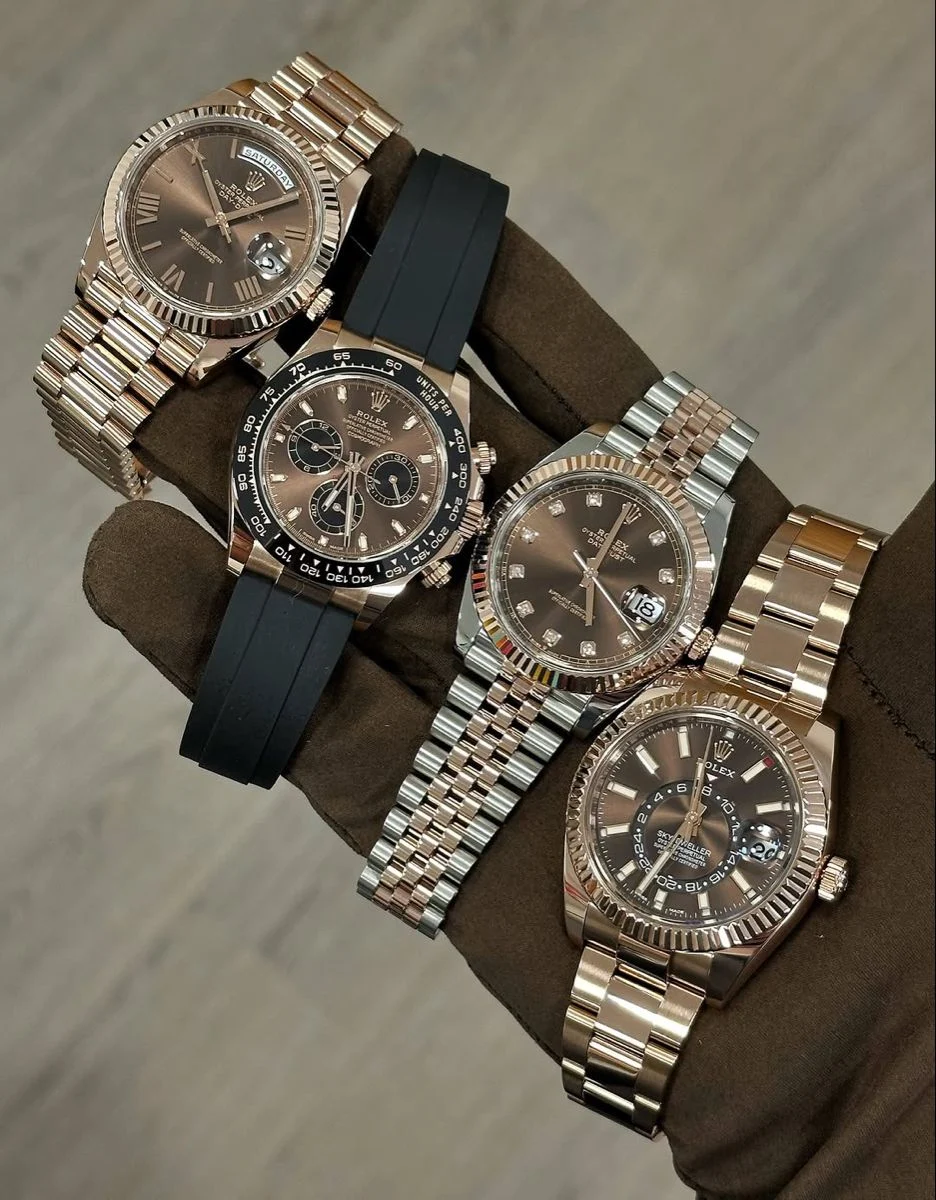
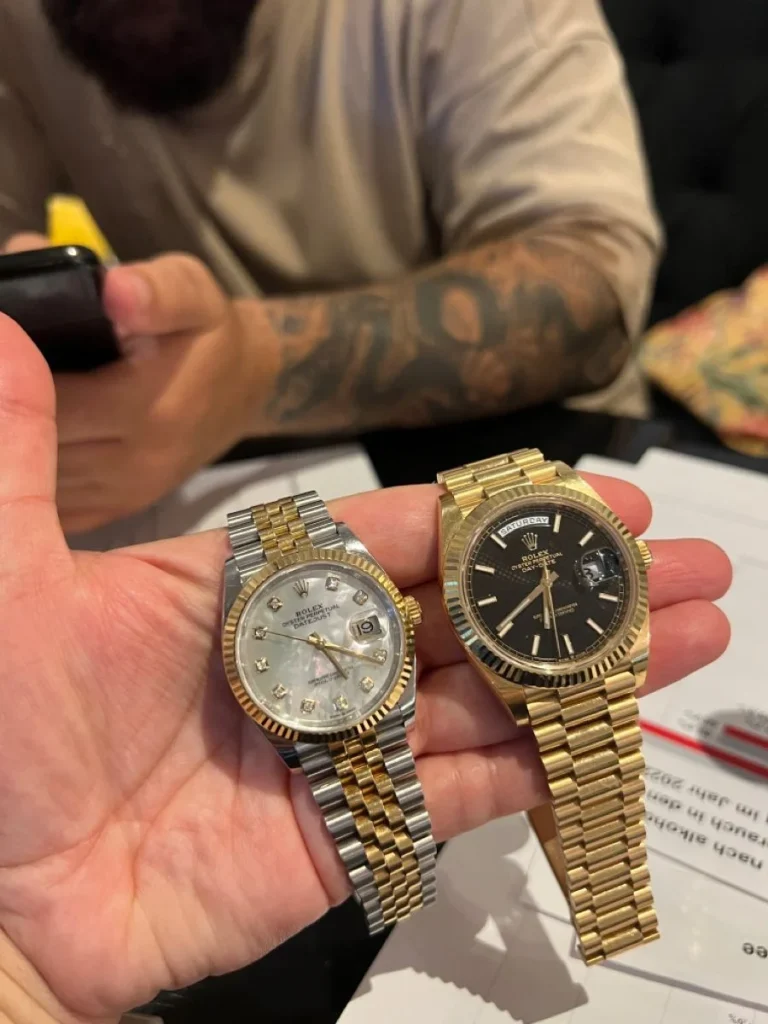
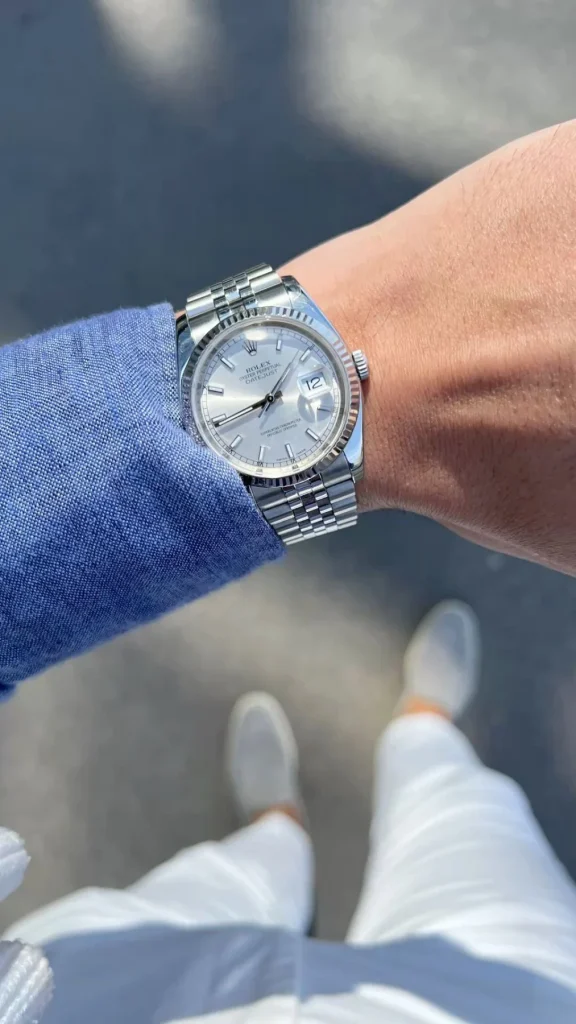
| **Stable (0–5%)** | Datejust 41 (steel and fluted bezel), Day-Date 40 (yellow/white gold), Explorer I (Ref. 124270), Air-King (Ref. 126900) | ±5% |
| **Appreciating (+5–15%)** | Pre-ceramic “Neo-Vintage” Submariner (Ref. 16610, 14060), Daytona Zenith (circa 2000), Tropical dials, Paul Newman dials | +5% to +15% |
**Takeaway**: Hype-driven steel models are correcting; timeless, non-hype models (and vintage) are resilient.
—
**The Rolex Price Index: Data from the Secondary Market**
According to **WatchCharts**, the overall Rolex Market Index has fallen approximately 38% from its March 2022 peak, but has stabilized since mid-2023. Key data points:
– **Steel Daytona**: Down 45% from peak, but still 80% above retail.
– **Submariner Date (124060)**: Down 30% from peak, now trading 10–20% above retail.
– **GMT-Master II Pepsi**: Down 35% from peak, premium shrinking.
– **Datejust 41**: Never experienced a speculative bubble; trades at or near retail.
– **Auction results** (Phillips, Christie’s): Vintage Rolex (pre-1980s) has not dropped; rare references like “Paul Newman” Daytonas continue to set records.
—
**Rolex vs. Competitors: Is the Drop Unique to Rolex?**
No. The broader luxury watch market has corrected similarly:
– **Audemars Piguet Royal Oak (Jumbo)**: Down ~35% from peak.
– **Patek Philippe Nautilus (5711)**: Down ~50% from peak.
– **Omega Speedmaster Professional**: Minimal drop (already traded near retail).
– **Cartier Tank**: Stable, no hype-driven bubble.
Rolex’s decline is actually less severe than Patek and AP because Rolex has a broader, more liquid market. **Conclusion**: This is a market-wide correction, not a Rolex-specific problem.
—
**How to Protect Your Investment: Rolex Buying Strategy in a Falling Market**
1. **Buy at Retail First**: The easiest way to avoid depreciation is to purchase from an authorized dealer. Patience and building a relationship with an AD remain the safest path.
2. **Avoid Hype Models at Grey Prices**: Unless you truly want the watch for personal use, paying a 50% premium for a steel Daytona today is risky—further declines are possible.
3. **Focus on “Tier 2” References**: Datejust, Explorer, Air-King, and Oyster Perpetual models rarely lose value because they lack a speculative premium. They are also easier to get.
4. **Buy Vintage or Neo-Vintage**: Pre-owned Rolex from the 1990s–2010s, especially those with patina, rare dials, or full sets, tend to hold or appreciate due to collectability beyond utility.
5. **Buy for Love, Not Profit**: The only guaranteed way to never lose money is to buy a watch you’ll wear and enjoy. If you sell in 10 years, even a corrected market is unlikely to produce a loss versus retail.
—
**The Long-Term Outlook: Will Rolex Value Recover?**
**Short term (1–3 years)**: Likely continued stabilization with slight further declines for hyped steel models, but no crash. Rolex will increase retail prices subtly, narrowing the grey premium.
**Medium term (5–10 years)**: Historically, Rolex value always recovers after corrections (e.g., 2015–2016 market dip). The brand’s scarcity (controlled production, no e-commerce), iconic status, and global demand from emerging markets (India, Middle East) provide a floor. A full return to 2022 hype levels is unlikely, but steady appreciation is probable.
**Wildcards**: A major economic recession could accelerate depreciation; a shift in consumer taste towards smartwatches could erode demand, but Rolex’s heritage is deeply ingrained.
—
**FAQ: Common Myths About Rolex Depreciation**
**Myth 1: “Rolex is crashing.”**
**Fact**: The market is correcting from an abnormal high, not crashing. Retail prices hold.
**Myth 2: “All Rolex models are losing value.”**
**Fact**: Gold Day-Dates, Datejusts, Explorer, and many vintage references are stable or up.
**Myth 3: “You’ll lose money if you buy any Rolex today.”**
**Fact**: If you buy at retail from an AD, you will almost certainly not lose money over a 5-year hold. If you buy a steel Daytona at grey market $28k, you might see it drop another $3k.
**Myth 4: “Condition doesn’t matter in a falling market.”**
**Fact**: Full sets (box and papers), unpolished cases, and pristine dials command higher premiums regardless of market direction. Never compromise on condition.
—
**Expert Takeaway: What Should Collectors Do Right Now?**
– **If you are a seller**: Accept that 2022 prices are gone. Price your watch competitively (5–10% below market averages) to move quickly. Consider trading stale hype models for stable vintage or gold.
– **If you are a buyer**: This is a buyer’s market. Steel sports models are more accessible than in
Are Rolex Losing Value? The Definitive 2025 Guide to Rolex Market Trends & Investment Resilience
**Topic Map:** 1. **The Core Question: Are Rolex Watches Losing Value in 2025?** (The short answer with nuance) 2. **The Post-COVID Market Correction: Why Prices Dropped** (Supply, demand, and speculator exodus) 3. **Which Rolex Models Are Losing Value? (And Which Are Holding Strong)** (Steel vs. gold, hype models vs. classics) 4. **The Rolex Price Index: […]
admin ·