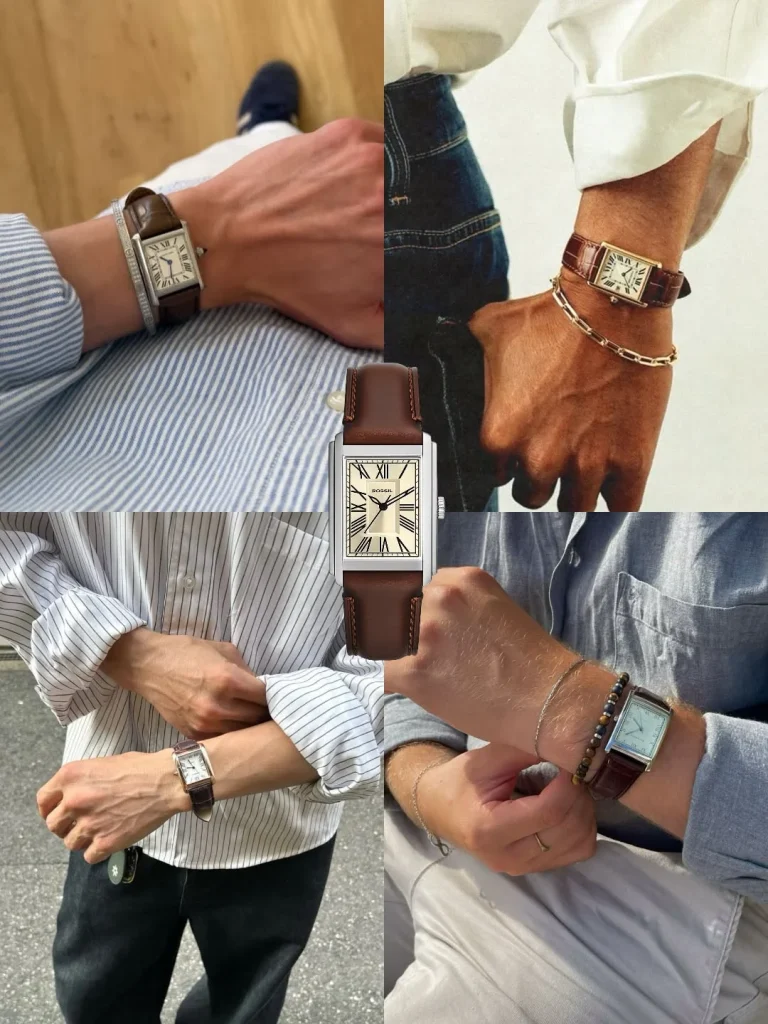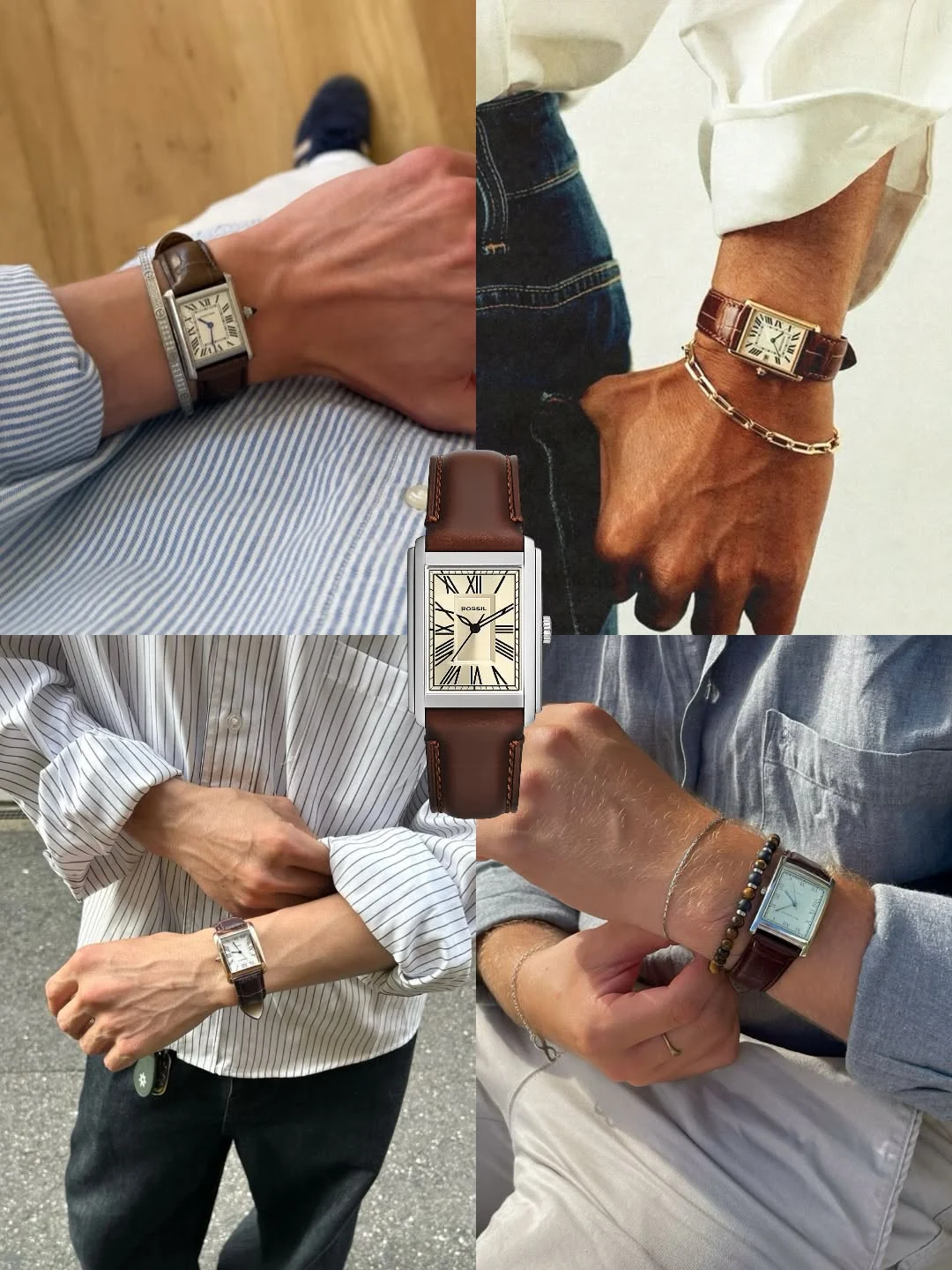
Cartier Art Deco bracelets represent a pinnacle of early 20th-century jewelry design, blending geometric precision with opulent materials. Emerging during the exuberant 1920s and 1930s, these pieces capture the era’s modernist spirit. Collectors and enthusiasts value them for their historical significance, craftsmanship, and enduring style. Understanding their origins, features, and appeal reveals why a Cartier Art Deco bracelet remains a coveted treasure.
What Defines the Art Deco Style in Bracelets?
The Art Deco movement, peaking between 1925 and 1939, emphasized bold geometry, symmetry, and luxury. Bracelets from this period often feature sharp angles, stepped motifs, and zigzags, departing from the flowing curves of earlier Edwardian jewelry. A Cartier Art Deco bracelet typically showcases rigid forms like cuffs or bangles, evoking the era’s fascination with machinery, skyscrapers, and ancient civilizations such as Egypt and Maya.
How Did Cartier Pioneer Art Deco Bracelet Designs?
Cartier, a leader in innovative jewelry, fully embraced Art Deco after the 1925 Paris Exposition Internationale des Arts Décoratifs. Designers like Louis Cartier drew inspiration from global travels and archaeological discoveries, like Tutankhamun’s tomb. Iconic Cartier Art Deco bracelets often incorporate contrasting materials—platinum with black onyx or enamel with diamonds—creating striking visual contrast. These designs balanced rigidity with wearability, making them suitable for the modern flapper silhouette.
What Materials and Techniques Characterize Cartier Art Deco Bracelets?
Premium materials define these bracelets: white gold or platinum for the base, calibrated diamonds for sparkle, and colorful enamel or hardstones like lapis lazuli and jade for vibrancy. Cartier’s mastery of guilloché engraving and paillonné enameling added texture and depth. For example, a classic bracelet might feature a rectangular motif with baguette-cut diamonds flanking onyx panels, all secured with secure box clasps. This combination ensured durability alongside aesthetic appeal.
How Can You Identify an Authentic Cartier Art Deco Bracelet?
Authenticity hinges on hallmarks: look for “Cartier” in script or lozenge-shaped stamps, French assay marks for gold purity (e.g., eagle’s head for 18k), and serial numbers. Genuine pieces exhibit precise symmetry, high polish, and flawless stone settings. Fakes often have irregular proportions or bubbly enamel. Consulting period catalogs or experts helps confirm provenance, as many survive from the original production run.
What Factors Influence the Value of Cartier Art Deco Bracelets?
Market value varies widely, from thousands to millions, based on condition, rarity, and documentation. Pristine examples with original boxes command premiums at auctions. A Cartier Art Deco bracelet’s appeal lies in its scarcity—fewer were produced than later styles—and cultural resonance. Factors like diamond quality (color, clarity) and historical ownership elevate prices. Restorations can detract if not expertly done.
Are There Common Misconceptions About Cartier Art Deco Bracelets?
One myth is that all Art Deco jewelry is Cartier; many firms like Van Cleef & Arpels produced similar styles. Another is assuming wear diminishes value—minor patina can enhance authenticity. Not all are oversized; delicate wristlets exist for everyday elegance. Understanding these clarifies the true essence of a Cartier Art Deco bracelet.
In summary, Cartier Art Deco bracelets embody an era of optimism and innovation, their geometric elegance transcending time. Their meticulous construction and historical context make them prized heirlooms and investments for discerning collectors.
People Also Ask
How much does a Cartier Art Deco bracelet cost?
Prices range from $5,000 for simpler designs to over $1 million for rare, high-jewel pieces at auction, depending on materials and condition.
Can you wear a Cartier Art Deco bracelet daily?
Many are robust enough for occasional wear, but daily use risks enamel chipping or stone loosening; reserve for special occasions.
Where can Cartier Art Deco bracelets be found?
Vintage examples appear at auctions, estate sales, and specialized dealers; reproductions may mimic the style but lack historical authenticity.